Mouse Models
Spontaneous and induced autoimmune diabetes models allow us to follow immune activation,
beta cell injury, disease progression, and therapeutic response in vivo.
Adoptive Transfer
Defined diabetogenic T cell populations are transferred into recipient mice to study the
timing, phenotype, antigen reactivity, and tissue localization of autoimmune responses.
Flow Cytometry
Multiparameter flow cytometry defines immune populations, activation states, checkpoint
expression, regulatory phenotypes, and tissue-specific changes at single-cell resolution.
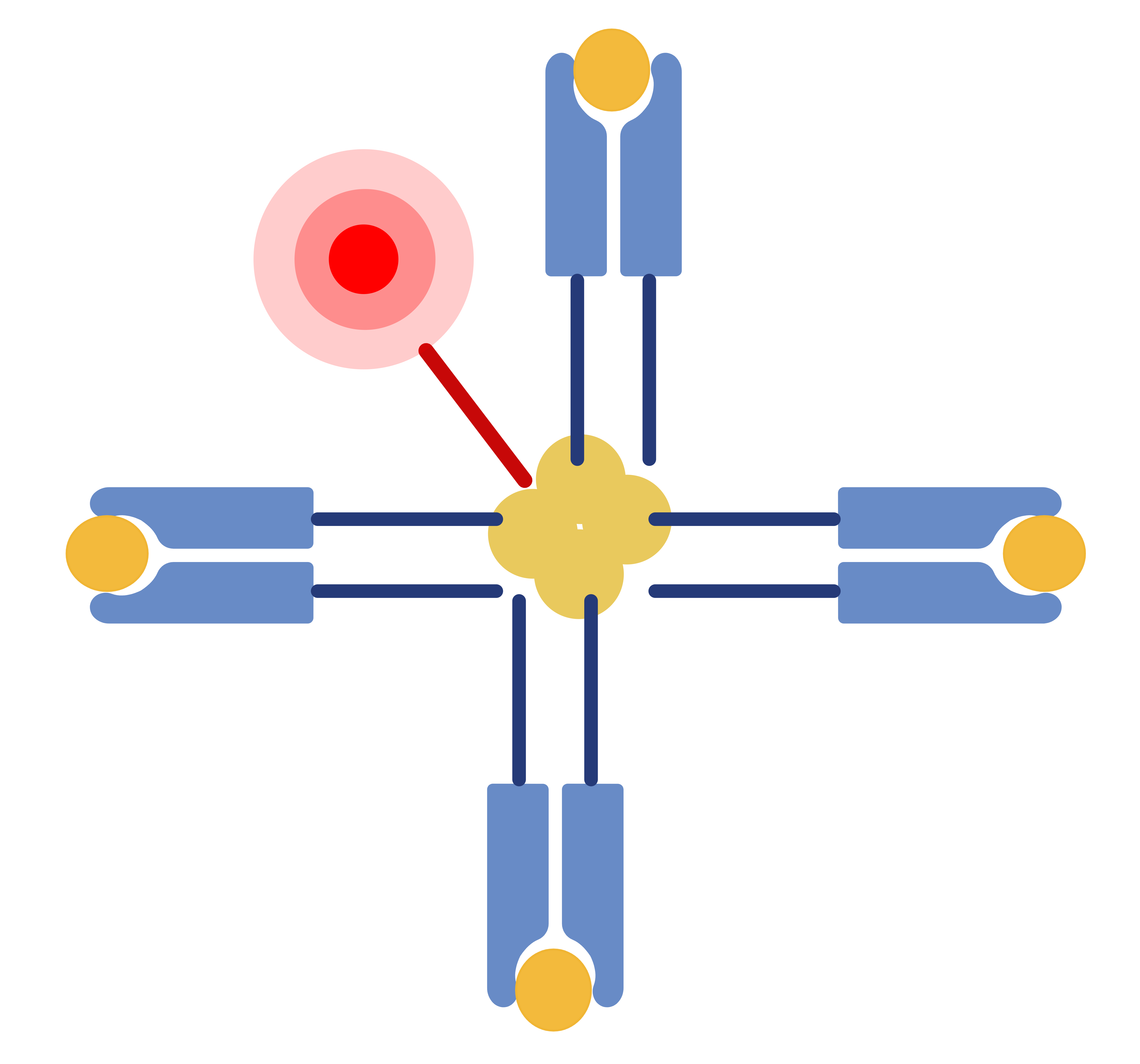
Tetramer Analysis
Peptide–MHC tetramers identify antigen-reactive T cells and allow us to track specificity,
co-reactivity, expansion, and diversification over time and across tissues.
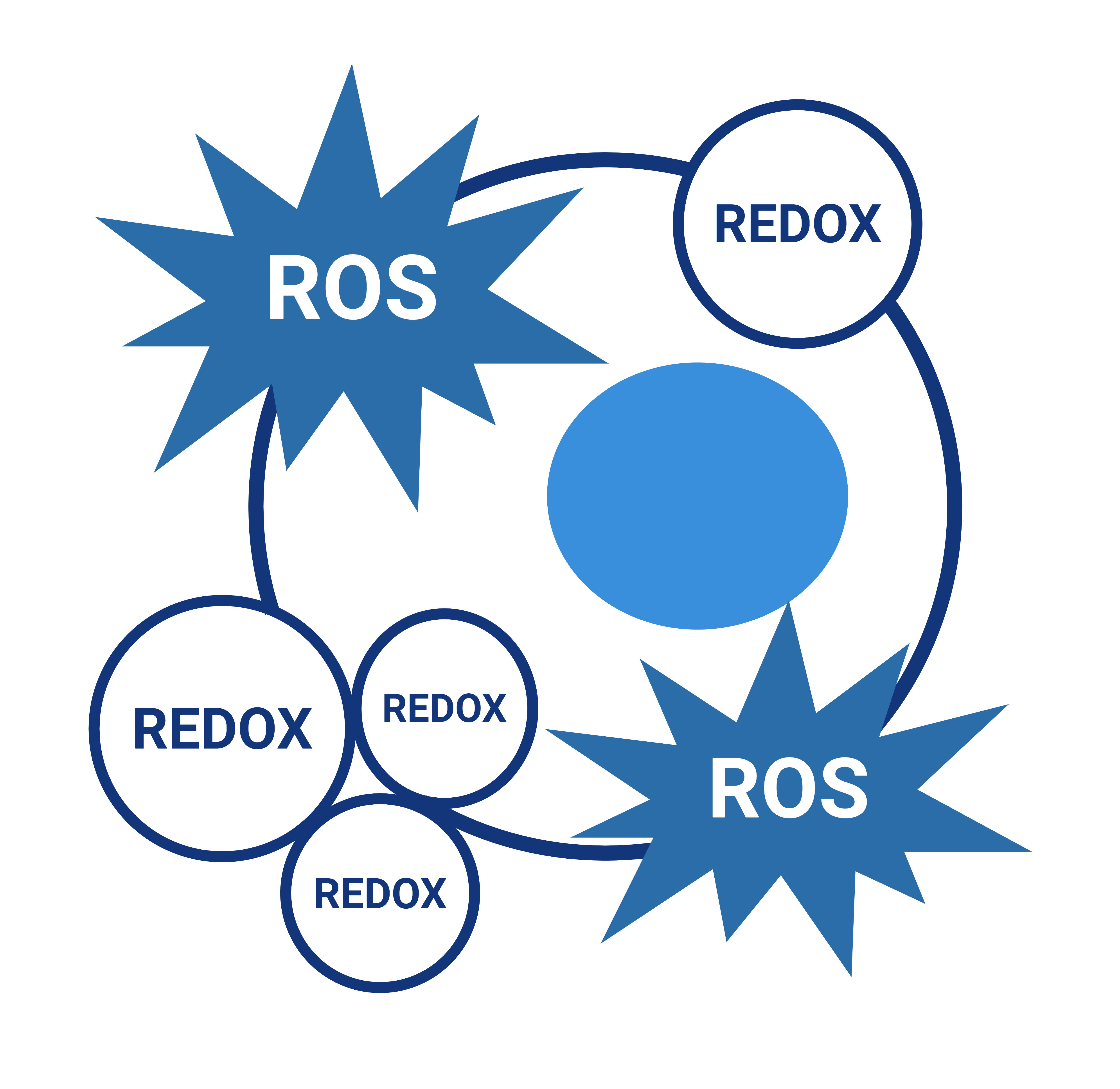
Redox Biology
Redox-sensitive pathways are manipulated and measured to determine how reactive oxygen
species influence immune activation, inflammatory signaling, and beta cell health.
T Cell Immunometabolism
Metabolic assays define how glycolysis, mitochondrial activity, nutrient availability,
and metabolic checkpoint pathways sustain autoreactive T cell function.
Beta Cell Stress & Tissue Analysis
Histology, molecular assays, and tissue-level analyses connect beta cell stress, islet
inflammation, antigen presentation, survival, and immune infiltration.
Soluble Biomarker & Molecular Assays
ELISA, RNA-based measurements, and related molecular assays quantify soluble immune
markers, beta cell stress signals, and longitudinal changes associated with disease.
Human Translational Studies
Human plasma and longitudinal samples connect mechanistic discoveries to first-degree
relatives, autoantibody status, disease progression, and clinically relevant immune states.
Preclinical Therapeutic Studies
Candidate interventions are tested in mechanistic and disease models to determine whether
they can redirect pathogenic immunity, preserve beta cell function, or improve outcomes.